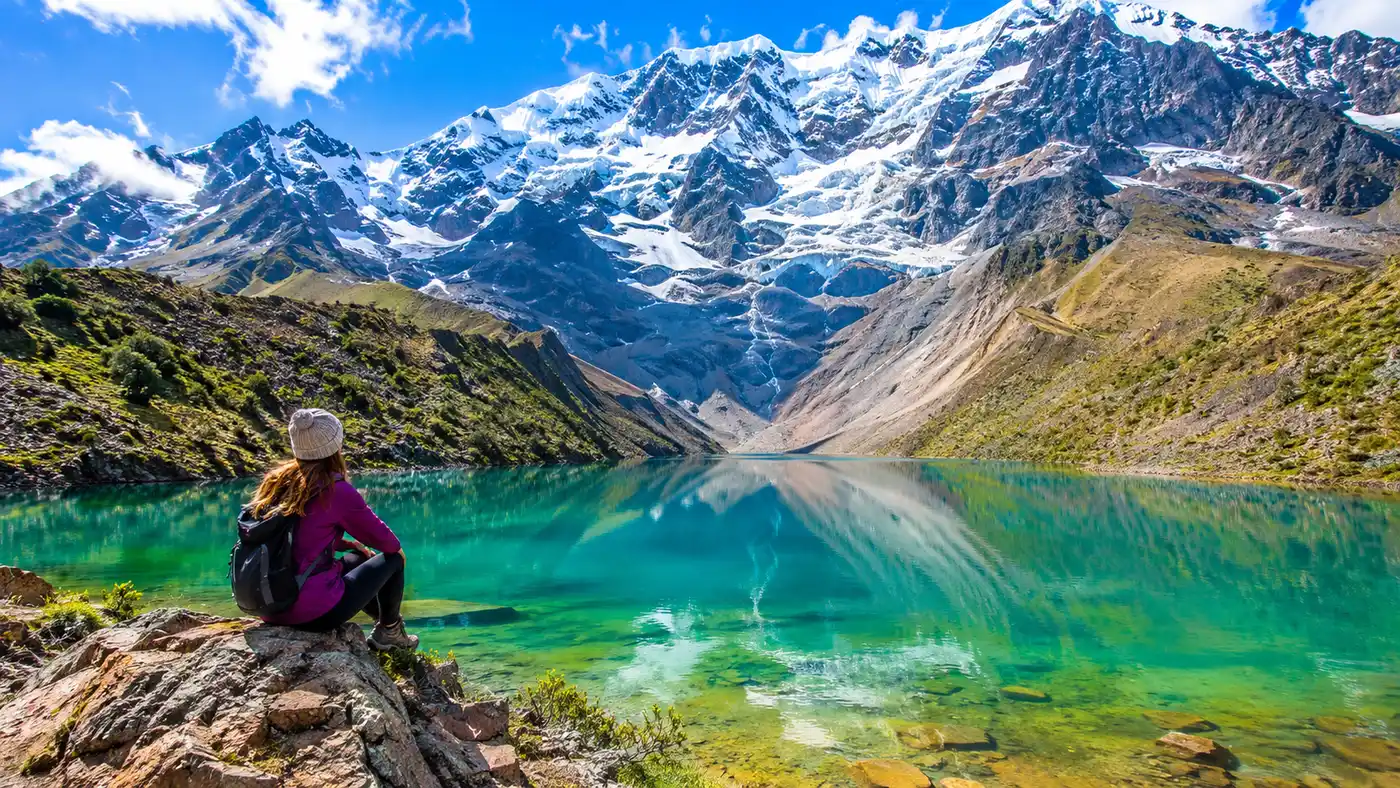
Humantay Lake Weather and the Best Time to Visit
I stepped out of the van at Soraypampa at 6:15 in the morning, and the cold bit straight through my fleece. My fingers went numb before I even laced my boots. The sky above Mount Salkantay was deep purple, clear as glass, but the wind cutting across the valley floor did not care about the sunrise. Understanding humantay lake weather before you pack your daypack in Cusco makes the difference between marveling at neon-blue water and shivering miserably under a wet poncho wondering why you paid someone to drag you up a mountain at dawn.
High mountain environments do not negotiate. Humantay sits at 4,200 meters above sea level, tucked tight against a melting glacier that creates its own pocket climate. You can get sunburnt on the back of your neck while sleet hits your face. This guide covers how temperatures shift throughout the year, what each season looks like on the trail, and how to read the sky so you know what you are actually walking into.
Book your humantay lake experience:
Understanding Humantay Lake Peru Weather and Seasons
The Peruvian Andes operate on two distinct rhythms instead of four classical seasons. You get the dry season and the rainy season. Everything else is just a brief transition between those two states. Elevation dictates everything here, meaning the valley floor in Cusco feels completely different from the windswept ridge above Soraypampa.
From May through September, the dry season controls the cordillera. Days are bright. The sky shows off an intense cobalt blue that makes the turquoise glacial water look surreal in photos. Rainfall is rare during these months, though an unexpected mountain flurrying can still happen if a rogue cloud gets trapped against Humantay peak. The trade-off is the sheer cold. Winter nights in the Vilcabamba range drop below freezing routinely, and early morning starts will test your resolve.
The rainy season runs from November through March, peaking in January and February. During this stretch, afternoon downpours turn the dirt paths into thick, slick red clay. Clouds often drape low over the water, hiding the glacier entirely. You might hike two hours uphill only to stare into a wall of white fog. Still, mornings can open up with brilliant sunshine, and the surrounding slopes turn an impossible, lush green that you never see in July.
April and October serve as the bridge months. Honestly, these are some of my favorite times in the Andes. You might catch a scattered afternoon shower, but the dust has settled, the brown hills are turning green, and the heavy tourist crowds have not yet flooded the trails.
Note: Blue skies in Cusco at 4:00 AM mean nothing for the lake. The high peaks create localized squalls, and thick clouds can swallow the ridge above Soraypampa while the city down below stays completely dry.
Humantay Lake Temperature Throughout the Year
The thermal swings in this valley are wild. In a single six-hour window, you might peel off four layers until you are in a short-sleeve shirt, only to pull your heavy down jacket back on forty minutes later when a cloud blocks the sun. High solar radiation warms the thin air quickly during midday, but the moment shade falls, the chill returns instantly.
Typical daytime trail temperatures during the hike hover between 10°C and 16°C (50°F to 60°F) when the sun stays out. If a cloud bank rolls over the water, the temperature drops straight down to 5°C (41°F) within minutes. At night, Soraypampa regularly hits -3°C (26°F) between June and August. The glacial breeze coming off the ice sheet keeps the water edge significantly colder than the staging area where the horses wait.
| Month | Daytime Avg (°C / °F) | Nighttime Avg (°C / °F) | Rainfall (mm) | Sky Conditions |
|---|---|---|---|---|
| January | 13°C / 55°F | 3°C / 37°F | 155 mm | Frequent heavy rain, low fog |
| February | 13°C / 55°F | 3°C / 37°F | 170 mm | Very wet, muddy, cloudy |
| March | 14°C / 57°F | 2°C / 36°F | 120 mm | Afternoon storms, green hills |
| April | 15°C / 59°F | 0°C / 32°F | 50 mm | Mostly clear, occasional showers |
| May | 15°C / 59°F | -2°C / 28°F | 15 mm | Crisp, sunny, very clear |
| June | 14°C / 57°F | -4°C / 25°F | 8 mm | Dry, freezing mornings, bright sun |
| July | 14°C / 57°F | -4°C / 25°F | 6 mm | Deep blue skies, intense UV |
| August | 15°C / 59°F | -2°C / 28°F | 12 mm | Clear, windy, dry terrain |
| September | 16°C / 61°F | 1°C / 34°F | 35 mm | Warm days, gathering clouds |
| October | 16°C / 61°F | 2°C / 36°F | 60 mm | Mild, shifting skies, light rain |
| November | 15°C / 59°F | 3°C / 37°F | 85 mm | Warm, rain starts building up |
| December | 14°C / 57°F | 3°C / 37°F | 130 mm | Regular showers, misty mornings |
The numbers only tell part of the story. The wind makes 12°C feel like freezing when you are sweaty from climbing. If you stand motionless at the shoreline for twenty minutes taking photos, the cold creeps into your bones faster than you think.
- Dawn departure from Soraypampa: bitter cold, frosty grass, breath freezing in front of your nose.
- Mid-climb through the switchbacks: heavy sweat, strong solar heat, dry dust rising from the boots ahead of you.
- Lakeside rim rest: immediate chill as your heart rate slows and glacial winds blow off the snowfields.
- Descent to the base: mild air, softened ground, and direct midday glare beating down on your shoulders.
The Best Time to Visit Humantay Lake in Peru
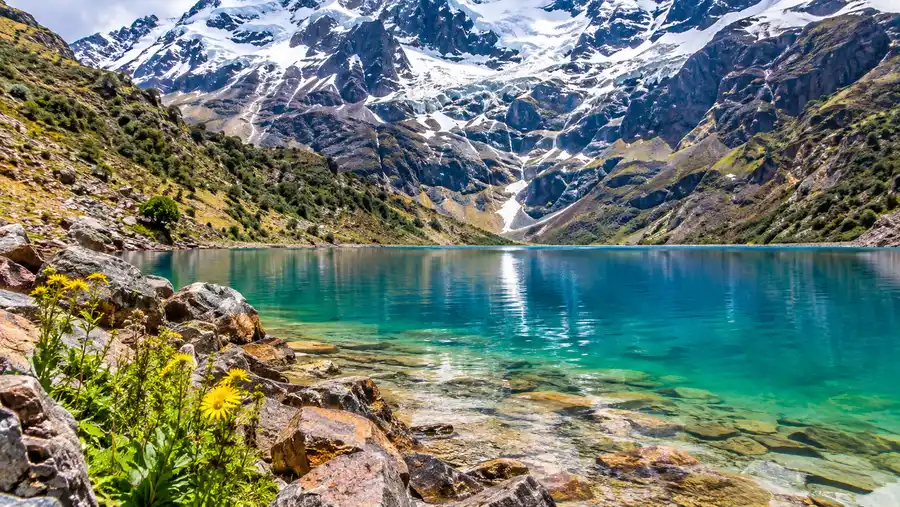
If clear mountain views are your absolute priority, plan your trek between late May and early September. July brings the most consistent sunshine. The lake reflects the glacier above like a polished mirror because there is rarely enough wind before noon to break the surface. You will get the postcard shot. Everyone else knows this too, so you will share the rocky shoreline with hundreds of other travelers who took the same 4:00 AM tour bus from Cusco.
Shoulder season holds the real sweet spot for hikers who dislike crowds. Late April and all of October offer decent stability in the atmosphere. The hillsides maintain some color instead of turning into the pale straw shades of mid-winter. Rain usually waits until 2:00 PM or 3:00 PM to roll through, by which time most day hikers are already eating soup in Mollepata.
Trekking during the wet season requires patience and low expectations regarding big panoramic vistas. Some travelers visiting on a multi-day trek past Humantay Lake toward Machu Picchu find the misty, moody atmosphere enchanting. It feels primeval. Waterfalls plunge down the granite faces with three times their winter volume. If your main goal is seeing that electric turquoise hue, the rainy season will disappoint you. The water needs direct sunlight overhead to scatter the light off the suspended rock silt and produce that signature green-blue color. Gray skies make the lake look slate gray.
Pro tip: Aim to reach the lake rim by 9:30 AM before the wind picks up. The lake surface turns choppy by midday, which scatters the reflection and dims the brilliant turquoise tone.
Book your humantay lake experience:
Reading the Humantay Lake Weather Forecast Accurately
Looking up the weather in humantay lake tomorrow on your phone will probably show you a thunderstorm icon. Do not panic immediately. Weather apps almost always pull data from Mollepata or regional Cusco weather stations, which averages wide geographic zones. Mountain terrain produces wildly isolated weather cells. A storm can dump rain in the lower river canyon while the high cirque where the lake rests remains under direct sunlight.
Standard humantay lake weather forecast tools often predict rain every single afternoon from September through April. That does not mean it rains all day. Andean rain usually follows a predictable daily heating cycle. The sun warms the valley floor through the morning. Moist air rises up the canyons. Clouds condense against the cold peaks around 1:00 PM, and rain drops between 2:00 PM and 5:00 PM. If you start your hike early, you beat the weather cycle nearly every single time.
Look at wind direction and barometric pressure trends rather than just precipitation percentages. High-altitude clouds coming from the eastern Amazon basin carry deep moisture that lingers for days. If clouds drift from the dry western coast, they usually burn off quickly as soon as the sun clears the eastern ridgeline.
What to Wear for Changing Mountain Weather
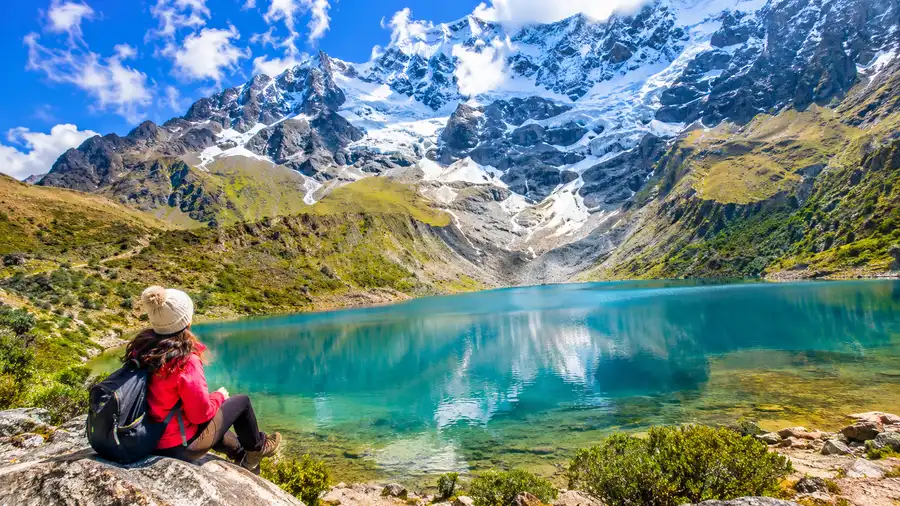
Cotton kills at 4,000 meters. Sweat soaks into cotton shirts during the steep 45-minute slog up the switchbacks, stays wet, and cools down instantly when you reach the windy lakeshore. You need technical fabrics that breathe under strain and insulate when you stop moving.
The golden rule for high Andes trekking is having three distinct layers ready at all times. You will cycle through them repeatedly between the horse station and the viewpoint.
- Base layer: synthetic or merino wool long-sleeve top that pulls moisture off your skin while you grind up the slope.
- Mid layer: a breathable grid fleece or lightweight down jacket that traps warmth without adding heavy pack weight.
- Outer shell: a windproof and waterproof jacket with taped seams to block the glacial gusts and sudden graupel.
- Sun protection: a wide-brim hat, polarized sunglasses for mountain glare, and high-SPF mineral sunscreen that will not sweat into your eyes.
- Extremities: a thin beanie that covers your ears and light wind-resistant gloves for the freezing early morning start.
Good footwear matters as much as clothing. In the dry season, the trail becomes powdery dust mixed with loose scree, making descent slippery if your tread is worn flat. In the rainy season, you need waterproof hiking boots with deep lugs. Wet mountain clay packs into smooth sneaker soles, turning the downhill path into an accidental slide.
Frequently Asked Questions about humantay lake weather
What is the coldest month at Humantay Lake?
June and July are the coldest months. Daytime temperatures stay around 14°C (57°F), but morning lows drop to -4°C (25°F) or colder at the Soraypampa camp before the sun crests the ridges.
Does it snow at Humantay Lake?
Yes, though heavy snow on the trail itself is uncommon. Sleet, hail, and light flurries happen frequently during the rainy season and during cold snaps in winter. Snow falls regularly on the glacier peaks directly above the water.
Can you hike to the lake when it is raining?
Yes, the trail remains open during rain, but the steep dirt path gets slick and muddy. Sturdy boots and trekking poles are mandatory in wet conditions to avoid sliding on the steep switchbacks.
Why does the lake color change depending on the weather?
Glacial flour suspended in the water reflects green and light-blue wavelengths of light. Without direct sunlight hitting the water surface, the light cannot scatter properly, causing the lake to look dark green or dull gray on overcast days.
Quick Reference
- Dry season: May to September (clear skies, freezing mornings)
- Wet season: November to March (afternoon rain, muddy trails)
- Best months overall: May, June, September, October
- Trail elevation: 3,850m to 4,200m (12,630ft to 13,780ft)
- Average midday temperature: 10°C to 15°C (50°F to 59°F)
Book your humantay lake experience:
Before You Lace Up Your Boots
Do not let the cold air or morning frost scare you off. The mountain demands respect, but preparing for the swings in temperature transforms an ordeal into an incredible day in the high Andes. Pack your layers inside a dry bag, wake up before the crowd, and keep your eyes on the ridge. When that early morning sun finally clears the crest and lights up the turquoise pool below the ice wall, you will forget all about your frozen fingertips.
Read more about humantay lake.